Conceptual images — not real photographs
HERD LATAM · citizen science · early-detection network

When Popocatépetl speaks,
let Mexico hear it in time.

Volcanoes emit infrasound — sound below human hearing. In distant events like a tsunami, part of that signal travels through the air and can outrun the destructive wave. We're building a citizen network of low-cost sensors to listen for it. We start where the signal is clearest and most frequent: around Popocatépetl.

Why Mexico

A country that knows the cost of no warning.

In 1985 an earthquake changed Mexico forever. Popocatépetl keeps up frequent explosive activity — a strong, near-daily signal — and 22 million people live in its shadow. The Pacific coast lives with tsunami risk. The same idea that inspired HERD — the animals that sensed the 2004 tsunami — applies here too, and today, for the first time, sensors are cheap enough to deploy it at scale.

~22 M
people in Popocatépetl's risk zone
24
communities evacuated in 2019–2020 due to its activity
~340 m/s
speed of infrasound in air — faster than a tsunami wave
14
high-risk volcanoes monitored by CENAPRED
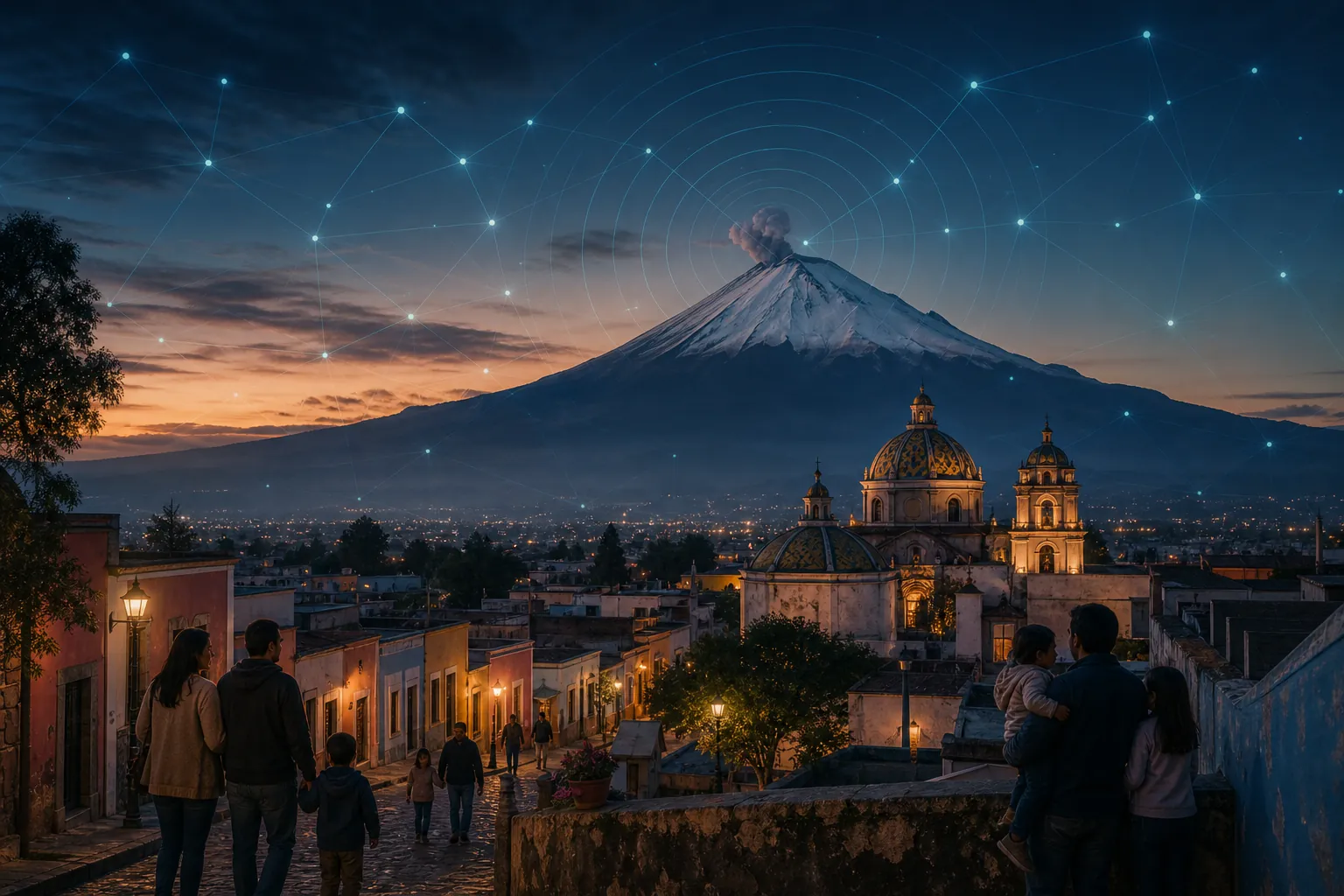
Conceptual illustration of a Mexican community at dusk with Popocatépetl and an overlaid sensor network

Conceptual image — communities in the shadow of Popocatépetl, with the listening network drawn over the sky.

Born in Phuket, in memory of December 26, 2004. Mexico is our first step in Latin America.
How it works

One sensor hears noise. A hundred thousand hear the volcano.

A single cheap barometer can't tell an explosion 70 km away from a slamming door. But when thousands of sensors catch the same low-frequency signature, with the right delays across geography, the noise cancels and the signal emerges. That's how Google turned ordinary phones into a global earthquake detector. Our bet: do it with infrasound.

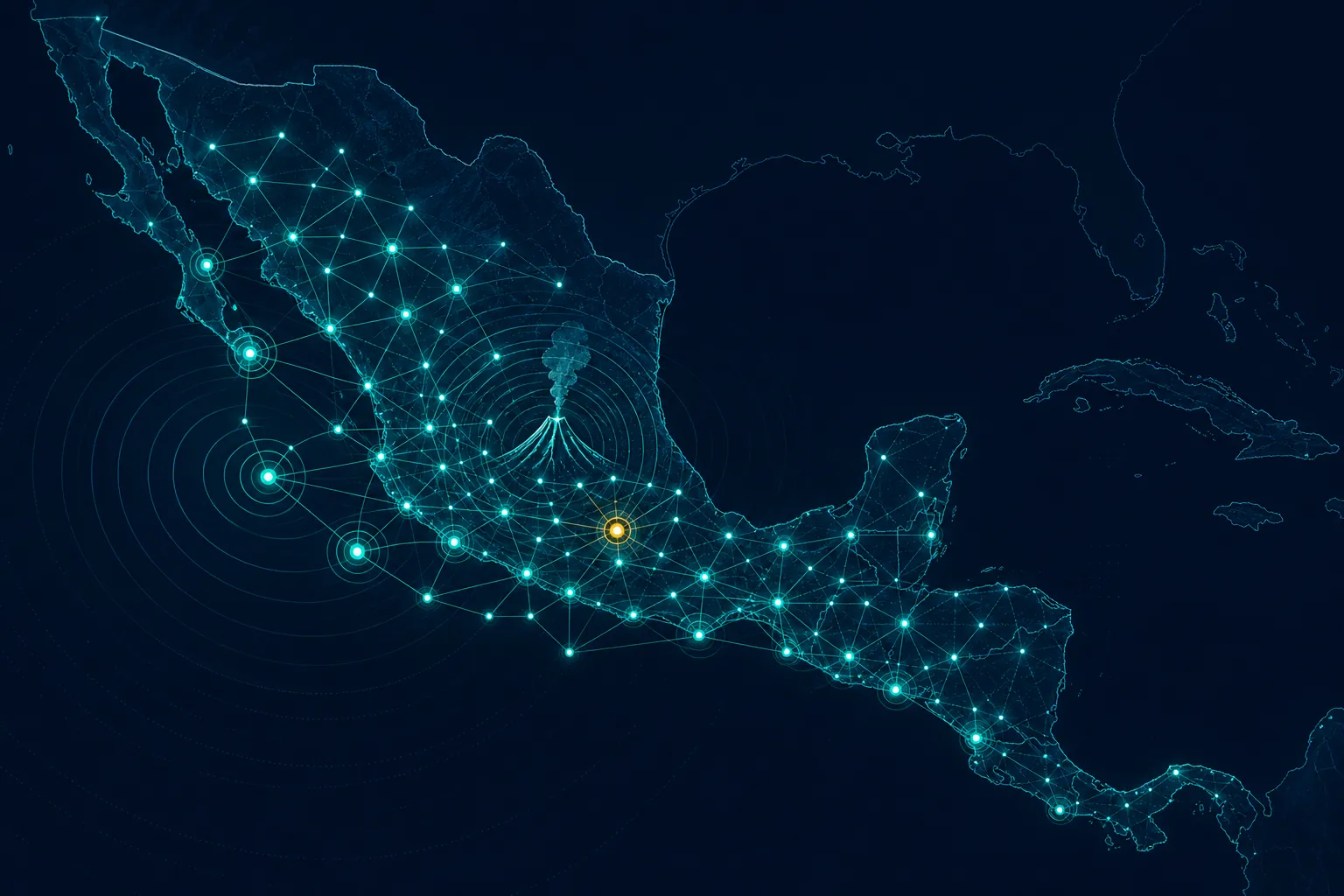
Conceptual map of a HERD sensor network across Mexico and Central America

Conceptual image of the planned coverage — not a real network yet.

The signal exists

Popocatépetl emits measurable infrasound every day. CENAPRED already uses it. The perfect natural lab to start.

The sensor is already cheap

The same MEMS chip that counts floors in your phone catches infrasound. For the first time, "going by numbers" is viable.

Open data

We publish everything and cross-check it against the official networks (UNAM/CENAPRED). We're a complement, not a replacement.

The evidence · words backed by sources

We don't ask for faith. We give you the sources.

We gathered what science knows about infrasound into an open library, each article with its own bibliography. Here are the facts behind every claim on this page.

The plan in Mexico

We start with the volcano, not the tsunami.

A tsunami is the rarest and hardest signal, so it's last. The volcano's signal is strong and daily — the ideal place to prove the network works, live and with open data.

1

Pilot around Popocatépetl

Dozens of sensors in communities across Puebla, Morelos and the Valley of Mexico.

2

Cross-check with UNAM / CENAPRED

We verify every signal against the official networks. Legitimacy from day one.

3

Live map and open data

Every node on the map, named by its community. People watch their country "listen."

4

Pacific coastal phase

With the network proven, we take it toward the tsunami scenario on the coast.

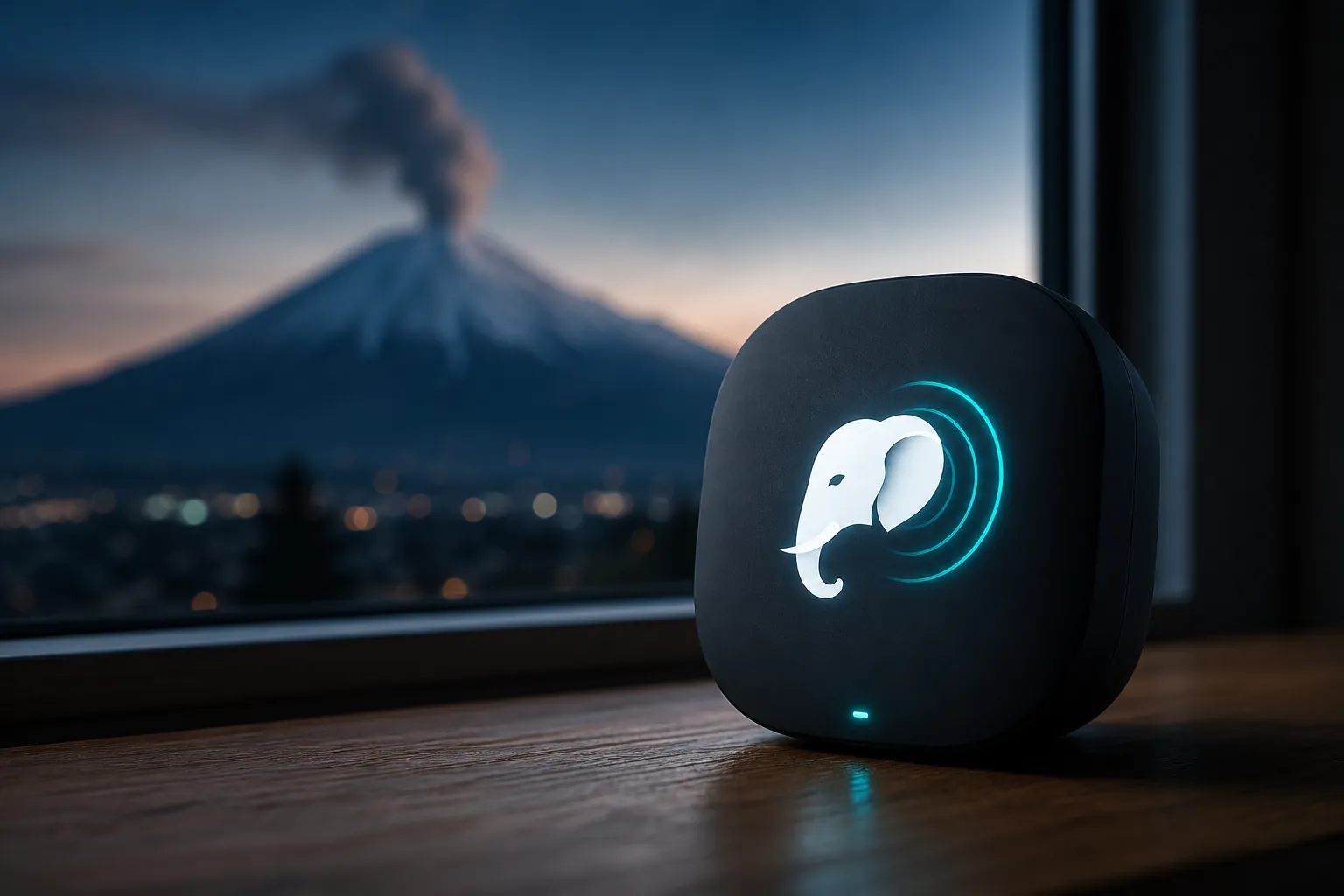
HERD home sensor with the logo on a window, Popocatépetl in the background

Concept of the home sensor — design in development, not a final product.

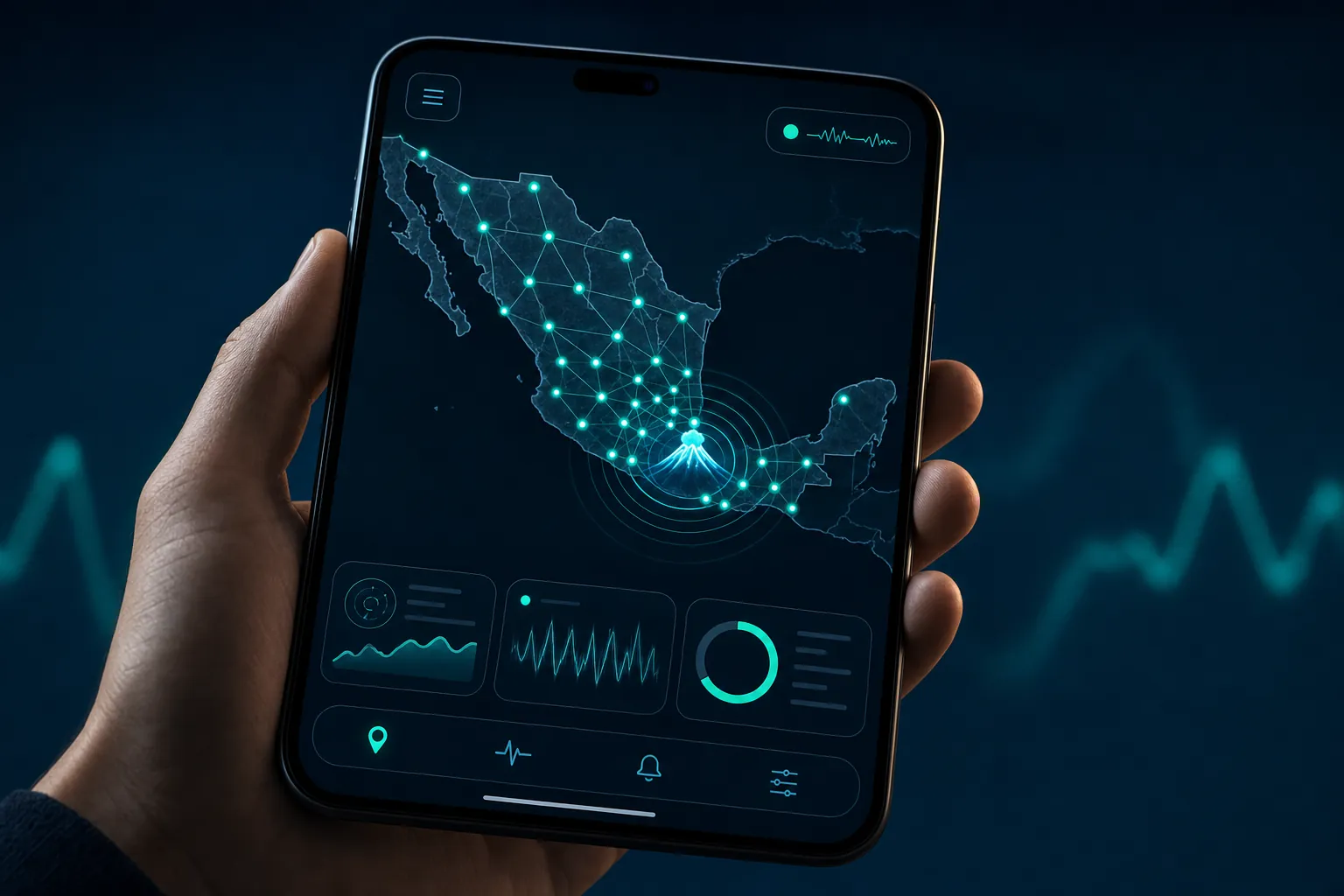
Concept of the HERD app with the live map of the sensor network in Mexico

Concept of the app and live map — interface in development, not a final product.

Honesty first. HERD is a research network and open data, a complement to official systems like CENAPRED — not a certified alarm or a replacement. We don't guarantee a warning; we build and test, in the open, whether a network of cheap sensors can one day give precious minutes.

Honest questions

The things you were going to ask anyway.

Will the sensor definitely warn me about an earthquake or tsunami?
No — and distrust anyone who promises that. HERD is a research network, not a certified alarm. Your sensor is one node in an experiment that may one day give precious minutes. It does not replace official channels like CENAPRED.
Why start in Mexico and with Popocatépetl?
Because the volcano's signal is strong and daily — the ideal natural lab to prove the network works. And because 22 million people live in its shadow. It's where the value can be proven fastest, in the open.
How much internet does the sensor use?
About 30–80 MB per month — a couple of minutes of YouTube. Infrasound isn't audio: ~25 pressure readings per second are enough and they compress beautifully. An eco mode (~5 MB/month) sends summaries only; if your Wi-Fi drops, the sensor buffers up to 72 hours and re-sends.
Will the data be open?
Yes. We publish everything and cross-check it against the official networks (UNAM/CENAPRED). We're a complement, not a replacement — and open science is part of the project, not a slogan.
How can I take part?
Leave your email below to follow the project and hear when the pilot opens. If you're a company, bank or institution and want to be a pilot partner, write to herd.network.team@gmail.com.
Join in

Help Mexico hear in time.

Leave your email to follow the project and be first to know when the Mexico pilot opens. Free, no commitment.

Are you a company, bank or institution and want to be a pilot partner? Write to herd.network.team@gmail.com.